Paulson Counseling
Individual, Couple, & Family Therapy
- …
Paulson Counseling
Individual, Couple, & Family Therapy
- …
Before becoming a therapist, I spent many years working in management with Fortune 500 companies, including AMC Theatres and Barnes & Noble. Much of that work involved mentoring, coaching, and supporting people through stress, conflict, uncertainty, growth, and change. Long before I entered the counseling profession, I found myself drawn to the human side of things — how people cope, what helps them flourish, and what gets in the way.
Later, while living and working overseas as a language teacher, I gained a deeper appreciation for the ways culture, family systems, and personal history shape the way people understand themselves and relate to others. Living abroad also broadened my perspective on suffering, resilience, connection, and meaning in everyday life.
My own spiritual and philosophical interests eventually led me to study theology briefly at Brite Divinity School before later exploring contemplative and Eastern traditions, including Advaita Vedanta. Today, my counseling approach tends to draw from both evidence-based psychology and contemplative traditions, while remaining grounded, practical, and relational. For clients who are interested, mindfulness and nondual perspectives can be incorporated naturally into the work. For others, we may stay within more traditional therapeutic approaches.

Schedule a free 15-minute consult to ask questions and see if working together feels like a good fit.
My Approach
and what it's like to work with me
Who are my clients?
My clients are open to honest reflection, emotional growth, and deeper conversations about the ways they relate to themselves and others. They are people who want therapy to be thoughtful, grounded, practical, and human — not overly clinical, performative, or one-size-fits-all.
Many of my clients are trying to slow down, become more intentional, gain more influence over mind and behavior, communicate more clearly, understand themselves more deeply, and build healthier, more connected relationships with the people in their lives.
Some clients come struggling with anxiety, depression, stress, conflict, communication problems, disconnection, or major life transitions. Others may not have a clear diagnosis or crisis at all. They simply feel stuck, overwhelmed, emotionally exhausted, disconnected from themselves or the people they love, or aware that old patterns are no longer working.
My couples often seek help with communication, conflict, emotional distress, betrayal, intimacy, resentment, parenting stress, and the gradual drifting apart that can happen over time.
I am honored to have worked with helping professionals, spiritually curious individuals, high-achievers, medical and legal professionals, and an NFL coach, all of whom wished to build more grounded, intentional, and balanced lives. I enjoy working with people who are willing to look honestly at themselves, their relationships, and the ways they move through the world.
Why do I work with so many couples?
One reason I enjoy working with couples is that I’ve experienced the benefit of couples therapy myself. We happened to find a very talented therapist who happened to practice Gottman Method Couple Therapy, and many years later, when I became a therapist myself, I found myself using the same Gottman techniques that I remembered working so well. I later underwent training in the Gottman Method and now use a blend of Gottman techniques, Solution-Focused approaches, and other helpful modalities that seem to resonate with clients. I do not believe in a one-style-fits-all approach to therapy. Our work together will be collaborative. We'll focus on whatever method best helps reduce conflict and increase love, friendship, and connection in your particular relationship.
Read More....
This Country Needs Couples Counseling
What Is Gottman Method Couples Therapy?
Thinking About Couples Counseling?
Three Ways Chemistry Shows Up in Love
The Story I Think You're Telling
What is an LMFT?
As a Licensed Marriage & Family Therapist (LMFT), I am a mental health professional trained to help people improve mental health, emotional well-being, relationships, and patterns of interaction within families, couples, and individuals.
What makes LMFTs somewhat distinct is the lens we’re trained to use. Rather than viewing problems only as something happening “inside” a person, LMFTs are trained to look at the larger relational system around them—patterns of communication, attachment, family dynamics, boundaries, emotional cycles, and the ways people influence one another over time.
LMFTs diagnose and treat mental and emotional disorders, provide psychotherapy, and help clients work toward healthier relationships and more effective ways of coping and connecting.
Read More...
How do I work with individuals?
I work with people struggling with anxiety, depression, stress, grief, life transitions, communication difficulties, and relational struggles.
How I differ from some other therapists is that I’m not looking at you as an isolated individual, separate from the context of your life. I’m also paying attention to the larger emotional and relational systems surrounding you — your relationships, family dynamics, patterns of communication, attachment history, environment, responsibilities, and the ways you learned to adapt over time.
That means if you’re anxious, I’m not necessarily asking, “What’s wrong inside you?” I’m wondering:
What pressures are you living under?
What patterns keep repeating in your relationships?
What roles have you learned to play?
What emotional environments shaped you?
What happens between you and other people that leaves you feeling disconnected, overwhelmed, unseen, or alone?Sometimes issues make more sense when viewed in context. A person may not be unwell so much as they are exhausted, emotionally isolated, chronically over-functioning, disconnected from themselves and others, or stuck inside painful relational cycles that have quietly developed over years.
This perspective tends to create a kind of therapy that feels more human and less pathologizing. Less about reducing a person to a diagnosis, and more about understanding the full picture of their life, relationships, and emotional world.
Read More...
What is Cognitive Behavioral Therapy?
Attention is the Fuel for Thought
Optimists, too, Can Be Realistic
Education / Publication

Master of Science, Marriage & Family Therapy
Texas Wesleyan University
Master of Arts, Psychology
American Public University
Bachelor of Arts, Psychology
University of Texas at Austin
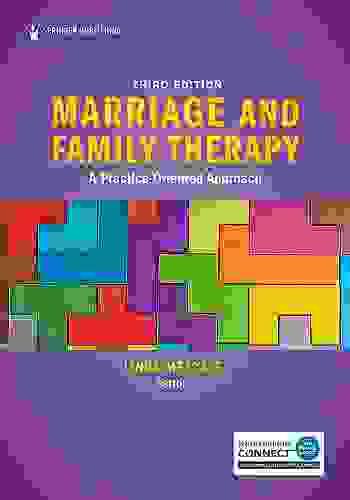
“Emotionally Focused Therapy for Couples.” Chapter 14 in
Marriage and Family Therapy: A Practice-Oriented Approach, 3rd ed., edited by Linda Metcalf, PhD.
“Gottman Method Couples Therapy for New Therapists”
Richard G. Trefry Library Archives, American Public University. Thesis passed with distinction.
Training / Certification
Level 2 Training Gottman Method Couples Therapy
Gottman Institute
Foundational Level 1 Solution-Focused Practioner
& Level 1 Certified Solution-Building Couples Therapy
Soultion Focused Universe
Marriage & Family Therapy Practicum
Texas Wesleyan Community Counseling Center
Integrative Sex and Couples Training
Integrative Sex Therapy Institute
Clinical Psychology Practicum
JPS Health Network, Fort Worth, TX
Pre-Marital Counseling
PREPARE/ENRICH
Intensive Meditation Training
AHAM Meditation Retreat & Training Center
Integral Yoga Training
Satchidananda Ashram (Yogaville)
Certified Yoga Teacher
Yoga & Ayurveda Center

Subscribe to the Blog
Copyright © 2026 Paulson Counseling, PLLC